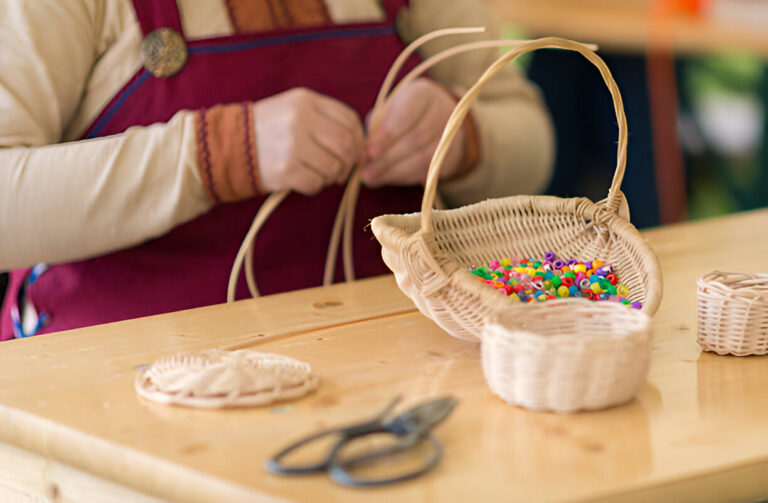
Top 17 Powerful Tips to Become a Successful Basket Weaving Maker
Introduction to Basket Weaving
The Art and History of Basket Weaving
Basket weaving is one of humanity’s oldest crafts, tracing back thousands of years. From African tribes to Native American communities, the practice of interlacing materials to create baskets has been both a utilitarian and cultural expression. Woven baskets were traditionally used for carrying food, storing goods, and even in ceremonial practices.
Why Basket Weaving is Gaining Popularity Again
In the modern era, the basket weaving maker is experiencing a revival. As people seek handmade, sustainable, and personalized items, artisanal crafts like basket weaving are resurging. Not only is it an eco-conscious practice, but it’s also a therapeutic and fulfilling hobby that can evolve into a profitable business.
Understanding the Role of a Basket Weaving Maker
What Does a Basket Weaving Maker Do?
A basket weaving maker designs, crafts, and finishes woven items, typically from natural or synthetic materials. Their role goes beyond crafting—it includes innovation in design, customer interaction, quality control, and often, entrepreneurship.
Skills Required to Excel in Basket Weaving
To succeed in this craft, makers must:
- Have patience and attention to detail
- Understand material properties
- Be creative with patterns and forms
- Possess basic business and marketing knowledge
These skills, when honed consistently, help a maker stand out in the increasingly competitive handmade market.
Tools and Materials Used in Basket Weaving
Traditional vs. Modern Tools
Traditional tools include wooden molds, awls, and knives. Today, many makers incorporate modern cutters, hot glue guns, and even digital measuring tools for precision.
Best Materials for Different Basket Types
| Basket Type | Recommended Material |
|---|---|
| Storage Baskets | Rattan, Bamboo |
| Decorative Pieces | Raffia, Seagrass, Jute |
| Outdoor Baskets | Synthetic resin, Plastic |
Natural materials are ideal for authenticity, while synthetic options provide durability.
Step-by-Step Process to Create a Basket
Choosing the Right Weaving Pattern
Some popular patterns include:
- Over-under weave
- Twining
- Wicker-style braids
Each pattern adds a unique touch and serves different functional and decorative needs.
Assembling Your Materials
Gather essential items:
- Base (wooden/plastic/rattan)
- Weaving material
- Clippers or scissors
- Water bucket (for softening certain materials)
Weaving Techniques Explained
Start with forming the base, then insert stakes (upright supports). Weave your chosen pattern by wrapping, looping, or threading materials. Finish with trimming, binding, and optionally, adding handles.
Types of Baskets You Can Make

Decorative Baskets
These are small, intricately designed baskets used for décor, gifts, or centerpieces.
Functional and Utility Baskets
Sturdy baskets designed for storage, shopping, or carrying goods—combining beauty with usability.
Innovative Designs in Modern Basket Weaving
Eco-Friendly and Upcycled Designs
Eco-conscious makers use upcycled plastic, paper, and cloth to create baskets. These are not only creative but also support zero-waste living.
Cultural Influences and Patterns
Incorporate tribal, geometric, or floral motifs inspired by different cultures. This adds storytelling value to each piece.
Challenges Faced by Basket Weaving Makers
Sourcing Sustainable Materials
Finding consistent suppliers for eco-friendly materials can be tough. Establishing long-term partnerships or growing your own raw materials helps.
Balancing Art and Function
Sometimes what looks good isn’t practical. It’s vital to ensure that your baskets serve the intended purpose while maintaining aesthetic charm.
How to Sell Your Baskets and Build a Brand
Setting Up Online Stores (Etsy, Shopify)
Platforms like Etsy allow makers to showcase their craft globally. Use high-quality images, detailed product descriptions, and SEO keywords like basket weaving maker to improve visibility.
Craft Fairs and Local Markets
Attending local events helps in direct customer interaction and testing new designs based on live feedback.
Social Media and Storytelling
Tell your brand’s story through Instagram, Facebook, and YouTube. Show behind-the-scenes, tutorials, and customer testimonials.
💡 Pro Tip: For step‑by‑step beginner guidance, check out this excellent Beginner’s Guide to Basket Weaving from Textile Indie—complete with diagrams, terminology tips, and material breakdowns
Education and Training for Aspiring Makers
Workshops and Certification Programs
Look for local community centers or art schools that offer basket weaving classes. Certifications add credibility to your craft.
💡 Pro Tip: For aspiring artisans seeking inspiration, supplies, or guidance, North Georgia Basketry is an excellent resource. They offer a wide range of weaving materials and expert tips rooted in the rich tradition of basketry.
Online Courses and Communities
Websites like Domestika, Skillshare, and Udemy offer basket weaving courses. Join forums and Facebook groups to stay updated and inspired.
Success Stories from Professional Weavers
Case Study: From Hobby to Business
Meet Sarah, who started weaving in her garage. Within three years, she built a six-figure brand, selling on Etsy and teaching online workshops.
Interviews with Master Weavers
Master artisans often share valuable advice. Follow interviews on YouTube or podcasts to glean insights into improving your craft.
Maintaining Quality and Customer Satisfaction
Quality Checks and Finishing Touches
Check for loose ends, uniformity, and durability before selling. Add linings, labels, or gift tags for a professional touch.
Handling Custom Orders
Clearly communicate with customers about size, color, and delivery expectations. Offer mock-up sketches or samples when possible.
The Future of Basket Weaving as a Craft
Trends to Watch
- Smart baskets with built-in storage solutions
- Minimalist and Scandinavian designs
- Hybrid basket-home décor products
Sustainability in the Craft Industry
Eco-conscious consumer behavior is driving demand for handmade, biodegradable products. Emphasize your environmental values to attract loyal customers.
FAQs About Becoming a Basket Weaving Maker
Q1: Do I need formal training to become a basket weaving maker?
No, but taking courses or learning from experts can fast-track your skills.
Q2: How much can I earn as a basket weaving maker?
Earnings vary, but skilled makers can earn $500–$5,000 monthly depending on sales channels and marketing.
Q3: What materials are best for beginners?
Start with rattan or paper rope, which are flexible and easy to handle.
Q4: Can I start basket weaving as a part-time hobby?
Absolutely. Many successful makers started this way before going full-time.
Q5: Is basket weaving eco-friendly?
Yes, especially if you use natural or upcycled materials.
Q6: Where can I sell my handmade baskets?
Online (Etsy, Amazon Handmade), craft fairs, and local artisan markets are popular venues.
Conclusion: Your Journey as a Basket Weaving Maker
Becoming a basket weaving maker is more than just a craft—it’s a journey of creativity, tradition, and entrepreneurship. Whether you’re looking to de-stress with a new hobby or start a small business, basket weaving offers rich rewards. With the right tools, continuous learning, and dedication, you can turn your woven dreams into a thriving reality.