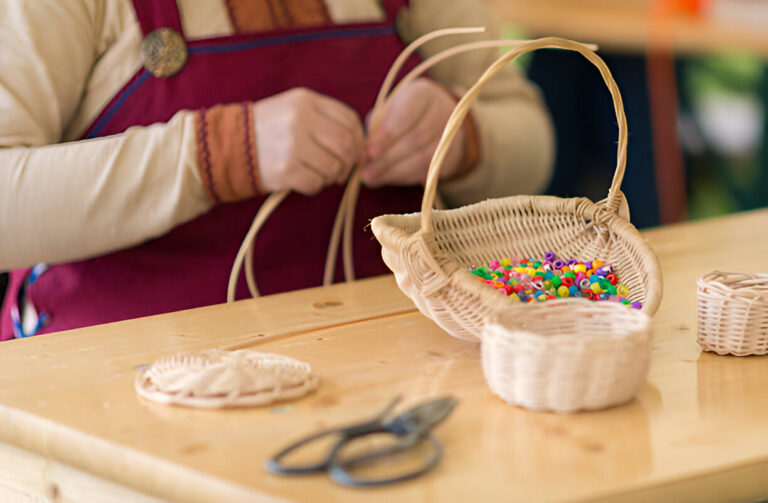
The Ultimate Guide to the Treasured Georgia Basket
Introduction to the Georgia Basket
What is a Georgia Basket?
The Georgia basket is more than just a woven container—it’s a storytelling vessel, carrying centuries of history and cultural pride. Handwoven by skilled artisans, particularly from coastal regions and African American communities, Georgia baskets serve both practical and decorative purposes.
Origins and Cultural Significance
Deeply rooted in African traditions and Indigenous knowledge, these baskets first appeared during the colonial era. They became vital tools for agriculture, trade, and everyday life. Over time, they evolved into artistic expressions, closely tied to the identity of the Gullah-Geechee people.
Historical Background
Indigenous Roots and African Influence
Long before European colonization, Native American tribes practiced basket weaving using natural resources. With the arrival of enslaved Africans, who brought their own basket-weaving skills, the craft transformed—creating what we now know as the Georgia basket.
The Role in Georgia’s Economy
In the 18th and 19th centuries, baskets played a vital role in the rice, cotton, and produce industries. Their durability made them indispensable on plantations and farms. Today, they support local economies through artisan markets and cultural tourism.
Materials Used in Georgia Baskets
Sweetgrass, Pine Needle, and More
Traditional Georgia baskets are made using sweetgrass, pine needles, bulrush, and sometimes palm. These materials are harvested by hand, preserving a close relationship with nature.
Sustainable Harvesting Practices
To ensure continuity, many weavers follow age-old guidelines that respect the environment—harvesting only what’s needed and ensuring regrowth.
The Art of Basket Weaving
Traditional Techniques
Georgia baskets are usually coiled or plaited. The process is meditative, requiring hours of meticulous work. No two baskets are the same, as each reflects the weaver’s personality and skill.
Modern Adaptations and Innovations
While rooted in tradition, many artists now incorporate new materials like raffia, dyed grasses, and even recycled fabrics, giving the Georgia basket a fresh, modern appeal.
Types of Georgia Baskets
Market Baskets
Large and sturdy, market baskets are built to carry goods. They’re a staple at farmers’ markets and are often passed down through generations.
Decorative and Ceremonial Baskets
Used in weddings, celebrations, and home décor, these are finely crafted and richly symbolic.
Storage and Utility Baskets
Functional and beautiful, these are designed for everyday use—holding everything from linens to produce.
Regional Variations Across Georgia
Coastal Basket Styles
Coastal artisans favor sweetgrass and bulrush, resulting in tighter coils and softer textures.
Inland Rural Styles
Inland regions often use pine needles and sturdier materials, producing heavier, utility-focused baskets.
Urban Artisan Trends
Contemporary city-based weavers experiment with design and color, targeting décor enthusiasts and collectors.
The Role of Georgia Baskets in Southern Culture
Symbolism in Traditions and Folklore
Georgia baskets often appear in local legends, wedding ceremonies, and harvest festivals. They symbolize resilience, community, and craftsmanship.
Gullah-Geechee Heritage
The Gullah-Geechee people, descendants of enslaved West Africans, preserved many African traditions—basket weaving being one of the most visible and respected.
Craftsmanship and Techniques
Coiling, Twining, and Plaiting
These are the three dominant techniques. Coiling involves spiraling and stitching grasses, twining interlaces materials, and plaiting resembles traditional braiding.
Generational Transfer of Skills
Skills are passed down from elders to youth, keeping the craft alive and deeply personal within families and communities.
Famous Georgia Basket Artists and Cooperatives
Notable Artisans
Masters like Mary Jackson and contemporary talents continue to gain recognition. Their works have been featured in museums and galleries nationwide.
Community-Driven Craft Centers
Organizations like the Sweetgrass Cultural Arts Pavilion promote education, preservation, and economic empowerment.
Where to Buy Authentic Georgia Baskets
Local Markets and Fairs
Savannah, Charleston, and small Georgia towns host craft fairs featuring authentic handmade baskets.
Online Platforms and Artisan Websites
Sites like Etsy and Artisan Connect feature verified sellers. Look for signs of authenticity like natural materials and irregular stitches.
How to Identify an Authentic Georgia Basket
Key Features to Look For
Authentic baskets show variation, hand-stitched seams, and unique design elements.
Avoiding Mass-Produced Imitations
Machine-made baskets lack the warmth, detail, and story of handwoven ones. Always buy from recognized artisans or co-ops.
DIY: How to Start Weaving Your Own Georgia Basket
Beginner-Friendly Materials
Start with pine needles, raffia, and a sturdy base. Tools include a tapestry needle and scissors.
Step-by-Step Guide
- Soak your materials.
- Start with a coiled center.
- Stitch around in spirals.
- Add height or width as desired.
- Finish with a tight knot and tuck ends inside.
Maintenance and Preservation Tips
Cleaning and Storage
Use a soft cloth or gentle vacuum attachment. Keep in dry, cool areas away from direct sunlight.
Handling Wear and Tear
Repair loose coils early. For major damage, consult the original artisan if possible.
Georgia Basket in Contemporary Design
Incorporating into Home Décor
Perfect for rustic, boho, or Southern-style homes—Georgia baskets add warmth and authenticity.
Use in Modern Fashion and Lifestyle
Some designers use smaller baskets as handbags or accessories, merging culture with trend.
Educational Programs and Workshops
Classes Offered in Georgia
Many local art centers and community colleges offer seasonal basket weaving workshops. One notable resource is North Georgia Basketry, which provides classes, materials, and guidance for both beginners and advanced weavers.
Learning from Master Weavers
Cultural heritage organizations sponsor live demonstrations and mentorship programs.
The Economic and Social Impact
Empowering Local Communities
Artisan basketry offers livelihoods, especially to women in rural communities, preserving tradition while creating income.
Supporting Traditional Craft Economies
Buying local baskets fuels the cultural economy and encourages younger generations to continue the craft.
Frequently Asked Questions (FAQs)
Q1: What materials are used in Georgia baskets?
A1: Common materials include sweetgrass, pine needles, bulrush, and sometimes raffia or palm.
Q2: How can I tell if a basket is handmade?
A2: Handmade baskets show irregularities, tight stitching, and natural texture. Mass-produced ones are often uniform and synthetic.
Q3: Are Georgia baskets only decorative?
A3: Not at all! They are both functional and decorative—used for carrying goods, storing items, or even as home décor.
Q4: Where can I learn basket weaving?
A4: Community centers in Georgia, cultural festivals, and online workshops offer beginner-friendly classes.
Q5: Do Georgia baskets have cultural significance?
A5: Absolutely. They’re tied to the Gullah-Geechee heritage and reflect a rich blend of African and Indigenous traditions.
Q6: How long does it take to weave a basket?
A6: Depending on size and detail, it can take from a few hours to several days.
Conclusion
The Georgia basket is more than a Southern keepsake—it’s a living tradition. Woven with skill, care, and a story in every strand, it represents cultural resilience and artistic pride. Whether displayed on a wall or used daily, these baskets carry a legacy worth preserving.