Discover the Craft: Georgia Basket Maker Spotlight & Tradition
Who is a Georgia Basket Maker?

Defining the Role
A Georgia basket maker is more than a craftsman—they’re a cultural steward, preserving centuries-old techniques through tactile art. These artisans weave functional pieces from sweetgrass, pine needles, bulrush, and palmetto, turning nature into legacy.
Skills and Tools Required
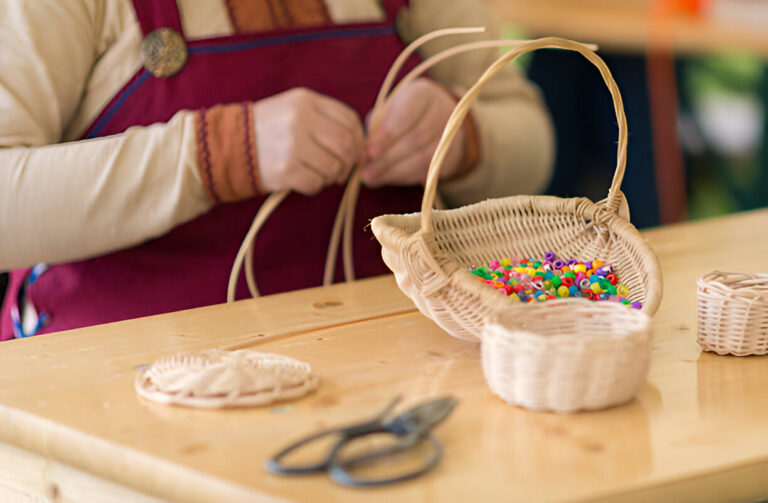
The craft requires patience, precision, and a profound respect for natural materials. Tools include curved needles, sharp scissors, soaking bowls, and binding threads. Equally important is the knowledge of when and where to harvest materials.
A Brief History of Basket Making in Georgia
African and Indigenous Roots
Basket making in Georgia originated from Native American traditions and African craftsmanship. Enslaved Africans adapted their techniques using local flora, resulting in a distinctive blend of weaving methods and cultural storytelling.
Evolving Through the Centuries
From agricultural use on Southern plantations to modern-day artisan markets, the craft has evolved. Today’s Georgia basket makers honor these roots while innovating with materials, colors, and contemporary styles.
The Gullah-Geechee Influence
Cultural Continuity
Georgia’s coastal basket makers often descend from the Gullah-Geechee people—a community known for preserving West African heritage. Their coiled sweetgrass baskets are not just tools but symbols of resilience, unity, and ancestry.
Stories Passed Through Weaving
Each basket reflects a narrative—of celebration, survival, or daily life. Patterns represent familial traditions, spiritual beliefs, and the rhythm of rural existence.
Famous Georgia Basket Makers
Suzanne Moore and Others
Suzanne Moore is a celebrated artisan whose works embody tradition and innovation. Her baskets are showcased in exhibits and cherished in homes. Other artisans, both known and emerging, contribute to this dynamic cultural scene.
Contributions to Art and Heritage
These makers have kept the tradition alive, educating communities, and inspiring younger generations through workshops and public demonstrations.
Basket Making Techniques Used in Georgia
Coiling and Twining
Georgia basket makers primarily use coiling—a spiraling technique requiring precise stitching. Twining, though less common, is also used for varied texture and structure.
Material Choices and Symbolism
Sweetgrass is prized for its fragrance and flexibility. Pine needles represent strength. Palm speaks to resourcefulness. Each material is chosen not just for utility but meaning.
Tools of the Trade
Traditional vs Modern Tools
Traditional tools include hand-forged needles and bone awls. Today, stainless steel needles and ergonomic tools offer comfort without compromising craft.
Where to Source Materials
Many artisans collect locally. Others turn to specialty suppliers like North Georgia Basketry, a leading source of tools and materials supporting basket makers across the Southeast. Additionally, national resources like the National Basketry Organization offer educational support, directories of artisans, and nationwide events.
Where to Find Georgia Basket Makers
Art Shows and Cultural Fairs
Savannah’s art festivals, Charleston’s sweetgrass markets, and Georgia’s seasonal heritage events are ideal for meeting artisans and purchasing their creations.
Online Marketplaces and Co-ops
Platforms like Etsy and artisan co-ops feature Georgia basket makers offering handmade, authentic works shipped nationwide.
How to Become a Georgia Basket Maker

Classes and Workshops
You can start learning the craft through local classes or online tutorials. North Georgia Basketry offers both beginner and advanced classes, including kits for home practice.
Mentorship and Online Learning
Apprenticing with a seasoned basket maker or joining virtual communities helps build skills while fostering connection to the tradition.
Economic and Cultural Impact
Supporting Rural Artisans
The basketry trade supports rural livelihoods, especially for older women and cultural minorities. Buying handmade baskets directly impacts their well-being.
Reviving Interest in Slow Crafts
In a digital world, slow crafts like basket making offer mindfulness, meaning, and a connection to heritage. It’s more than art—it’s personal growth.
Georgia Basket Makers and Sustainability
Eco-Friendly Practices
Sustainable harvesting ensures materials remain abundant. Artisans often plant sweetgrass or only trim specific branches, promoting regrowth.
Passing Down Generational Skills
Mothers teach daughters, mentors guide students, and communities preserve wisdom—ensuring this craft lives on.
Behind the Scenes: A Day in the Life of a Georgia Basket Maker
Daily Routine
A typical day includes soaking materials, hand-stitching coils, attending to online orders, and often teaching or mentoring others.
Inspirations and Challenges
Nature, ancestors, and functionality inspire designs. Yet challenges include sourcing materials, marketing in digital spaces, and competing with mass-produced items.
Incorporating Baskets into Modern Life
Functional Uses
These baskets serve as fruit holders, planters, bags, and picnic totes. They blend seamlessly into daily living.
Décor and Design Trends
Stylish homes use them as wall décor, table centerpieces, or rustic storage. Their aesthetic is timeless and versatile.
Buying from a Georgia Basket Maker
What to Look for
Authentic baskets show irregularities, natural materials, and tight stitching. They’re unique, never identical.
Avoiding Imitations
Steer clear of factory-perfect replicas. Support known artisans and reputable sellers like North Georgia Basketry to ensure authenticity.
North Georgia Basketry: A Hub for Artisans
Classes and Supplies
North Georgia Basketry is a one-stop shop for aspiring weavers. From tools and kits to workshops, it’s empowering the next generation of Georgia basket makers.
Supporting the Local Craft Community
By buying from and engaging with this platform, you invest in heritage, community, and sustainable art.
Frequently Asked Questions (FAQs)
Q1: What defines a Georgia basket maker?
A1: Someone who handcrafts baskets using traditional materials and techniques, preserving local heritage.
Q2: How long does it take to make a basket?
A2: Anywhere from a few hours to several days, depending on size and complexity.
Q3: Can I learn basket making online?
A3: Yes. Sites like North Georgia Basketry offer beginner kits, virtual lessons, and tutorials.
Q4: Are Georgia baskets functional or decorative?
A4: Both. They serve practical uses and also function as meaningful art pieces.
Q5: Where can I meet real Georgia basket makers?
A5: Cultural festivals, artisan markets, and online co-ops showcase their work and often include live demonstrations.
Q6: Is basket making environmentally sustainable?
A6: Absolutely. Most artisans use naturally renewable materials and follow eco-conscious harvesting practices.
Conclusion
To be a Georgia basket maker is to be part of a living legacy. It’s about more than weaving—it’s about telling stories, honoring roots, and shaping the future with your hands. Whether you’re buying a basket, learning the craft, or simply admiring its beauty, you’re participating in a proud, enduring tradition.